
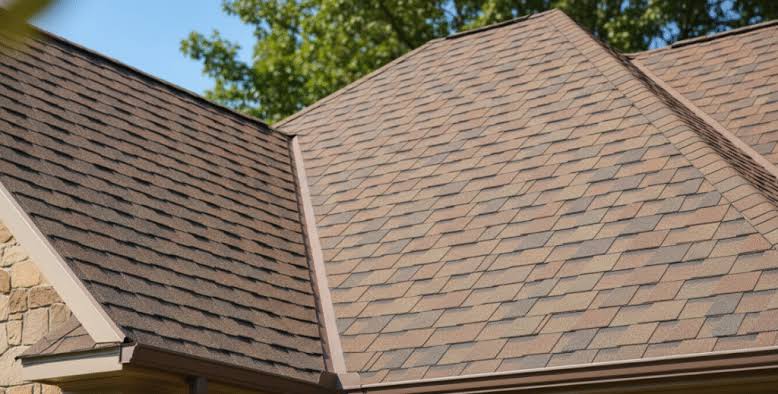
Choosing the right roofing system isn’t as simple as selecting a color or the most popular roofing material. Every home is different, and the roofing system that performs well on one property may not be the best choice for another.
The right roof depends on several important factors, including your home’s design, roof pitch, ventilation, drainage, and how well it can withstand Connecticut’s changing weather. When these factors are properly evaluated, your roof is better equipped to protect your home for decades while reducing the risk of costly repairs.
At MJT Roofing, we don’t believe in one-size-fits-all recommendations. Every home we inspect is unique, which is why we take the time to evaluate the entire roofing system before recommending a repair or replacement. Our goal is to help you understand your options so you can make an informed decision based on your home’s needs, your budget, and your long-term goals.
The right roofing system isn’t determined by a single product—it’s determined by how your home is built and how your roof is expected to perform over the years. Before recommending any solution, we evaluate your home’s roof design, pitch, drainage, existing roof condition, and ventilation. Each of these factors affects how your roof handles rain, snow, wind, and seasonal temperature changes.
For example, it’s common for a Connecticut home to have multiple roof sections with different slopes. The main roof may be an excellent candidate for architectural asphalt shingles, while a porch, garage, or addition with a lower slope may require a waterproof membrane such as EPDM or TPO. Choosing the right roofing system isn’t about selecting the most expensive material—it’s about matching the right solution to each area of your home so it performs the way it was designed to.
Understanding these factors is the first step toward choosing a roofing system that provides lasting protection, improves performance, and gives you confidence that your investment will stand up to Connecticut’s changing weather.
Choosing the right roofing system is about more than appearance—it’s about protecting your home for the long term. When the wrong roofing system is installed, problems often develop gradually. Water may not drain properly, roofing materials can wear out before their expected lifespan, ice dams may form during the winter, energy efficiency can decline, and moisture can eventually lead to structural damage that’s far more expensive to repair than it was to prevent.
Here in Connecticut and throughout New England, roofs are exposed to some of the toughest weather conditions of the year. Heavy snow, freeze-thaw cycles, ice buildup, and wind-driven rain all place stress on a roofing system. That’s why selecting the right materials for your home’s design is so important. A properly designed roofing system isn’t chosen simply because it looks good—it should be able to perform reliably through every season and continue protecting your home for years to come.
One of the most common issues we encounter during roof inspections is a roofing system that wasn’t matched to the home’s design. The roof may still look good from the ground, but hidden problems such as poor drainage, trapped moisture, or inadequate ventilation can shorten its lifespan and lead to costly repairs. That’s why we believe every roofing recommendation should begin with a thorough evaluation of the entire roofing system—not just the shingles you can see.
At MJT Roofing, we don’t believe every home should receive the same roofing recommendation. Before suggesting a repair or replacement, we perform a thorough inspection to understand how your roof is built, how it’s performing today, and what will provide the best long-term protection.
We begin by evaluating your roof’s overall design, structural condition, and drainage. Every home is different, and features such as porches, additions, garages, or low-slope roof sections often require different roofing systems than the main roof. For example, while architectural asphalt shingles are an excellent choice for many residential roofs, low-slope areas may require a waterproof membrane such as EPDM or TPO to better protect against water intrusion.
Next, we measure your roof’s pitch because slope plays a major role in selecting the right roofing material. Steeper roofs naturally shed rain and snow more efficiently, making them well suited for asphalt shingles. Lower-slope roofs, however, hold water longer and typically require membrane roofing systems designed to create a continuous waterproof barrier. Using the wrong material for the roof’s pitch can shorten its lifespan and increase the risk of leaks.
Connecticut’s climate is another important factor we consider. Roofs throughout New England must withstand heavy snow, freeze-thaw cycles, strong winds, and seasonal temperature changes. Rather than recommending products based on popularity, we select roofing systems that have proven to perform reliably in these conditions. Depending on your home’s design, that may include architectural asphalt shingles, EPDM, TPO, PVC, or modified bitumen roofing.
Before making any recommendation, we also inspect the condition of your existing roof. We look for signs of leaks, damaged flashing, weakened roof decking, and evidence of previous installation problems that could affect the performance of a new roofing system. Our goal is to identify the source of any issues—not simply the symptoms—so you understand exactly what your roof needs before making an investment.
Finally, we discuss your roofing options based on your home’s needs, your budget, and your long-term goals. We also evaluate attic ventilation and insulation because proper airflow plays an important role in preventing moisture buildup, reducing the risk of ice dams, improving energy efficiency, and extending the life of your roof. While cost is always an important consideration, we believe the best roofing system is one that delivers lasting value, dependable performance, and peace of mind for years to come.
One of the most common mistakes we encounter is homeowners replacing roofing materials without addressing the underlying cause of the problem. In many cases, recurring leaks, premature aging, or ice dam issues are related to poor drainage or inadequate ventilation rather than the roofing material itself. By evaluating the entire roofing system instead of focusing only on the shingles, we can recommend solutions that help prevent the same problems from returning.
Choosing a new roofing system doesn’t have to be overwhelming. While there are many roofing materials available today, the most important decision isn’t choosing the most popular product—it’s choosing the system that’s best suited for your home.
Before making a decision, take the time to understand why a particular roofing system is being recommended. Ask how it will perform on your roof’s pitch, how it will handle Connecticut’s weather, what maintenance it will require, and how long it’s expected to last. A trustworthy contractor should be able to answer these questions clearly and explain why one option is a better fit than another.
One of the biggest mistakes homeowners make is focusing only on price. While budget is an important consideration, the least expensive estimate isn’t always the best value. We’ve seen situations where ventilation problems, damaged flashing, or poor drainage were overlooked simply to keep costs down. Those hidden issues often lead to repairs that could have been prevented by addressing the complete roofing system from the beginning.
Another common misconception is that every roof should use the same material. In reality, homes with porches, garages, additions, or low-slope roof sections often benefit from different roofing systems designed for those specific areas. The goal isn’t to install what’s most common—it’s to install what will perform best for your home’s design.
The best way to make a confident decision is to begin with a professional roof inspection. A thorough evaluation identifies your roof’s condition, explains any underlying issues, and helps determine which roofing system will provide the best long-term protection. At MJT Roofing, we believe homeowners should understand their options before making an investment. That’s why we focus on education first, providing honest recommendations based on your home’s needs rather than a one-size-fits-all solution.
Low-slope roofs typically require waterproof membrane systems such as EPDM, TPO, or modified bitumen. These materials are designed to create a continuous waterproof barrier and perform better than traditional shingles in areas where water drains more slowly.
No. Asphalt shingles are designed for roofs with enough slope to shed water effectively. Installing shingles on a flat or low-slope roof can increase the risk of leaks because they’re not intended to hold standing water.
If your home has low-slope roof sections, additions, garages, or you’ve experienced recurring leaks despite previous repairs, it may benefit from a different roofing system. A professional inspection can determine which materials are best suited for each section of your roof.
The lifespan of a roof depends on the material, installation quality, ventilation, weather exposure, and maintenance. As a general guideline, architectural asphalt shingles typically last 20 to 30 years, while membrane roofing systems such as EPDM, TPO, and PVC often last 25 to 40 years when properly installed and maintained.
Absolutely. Connecticut roofs must withstand heavy snow, freeze-thaw cycles, ice buildup, wind-driven rain, and seasonal temperature changes. Choosing materials designed to perform in New England’s climate is one of the most important factors in protecting your home over the long term.
Choosing the right roofing system isn’t about selecting the newest product or following the latest trend. It’s about finding the solution that best fits your home’s design, your family’s needs, and Connecticut’s climate.
At MJT Roofing, we believe every homeowner deserves honest advice and recommendations they can trust. Whether your roof needs a repair or a complete replacement, our goal is to help you understand your options, answer your questions, and recommend the roofing system that will provide lasting protection for years to come.
If you’re unsure which roofing system is right for your home, we’re here to help. Our experienced team will evaluate your roof, explain our findings in clear, straightforward language, and recommend the solution that’s best for your home—not simply the most expensive option.
Contact MJT Roofing today to schedule your professional roof inspection and make your next roofing decision with confidence.